If you run a dispensary, a specialty food shop, or a wellness boutique, you’ve probably noticed a pattern at the counter. People come in expecting the usual, then their eyes land on an elegant box of mushroom chocolate and everything slows down. Questions start. What’s in it? How strong is it? Does it taste earthy or indulgent? Can I cut it into neat pieces for consistent dosing? The potential is obvious, but so are the risks if you stock the wrong thing or fail to guide customers through a thoughtful choice.
Mushroom chocolate bars sit at a crowded intersection of confection, functional wellness, and sometimes recreational use, depending on the category and your local laws. The difference between a repeat purchase and a one-time curiosity almost always comes down to a few controllable details: origin and type of mushrooms, cocoa quality, flavor profile, texture, dosing clarity, packaging, and credible education.
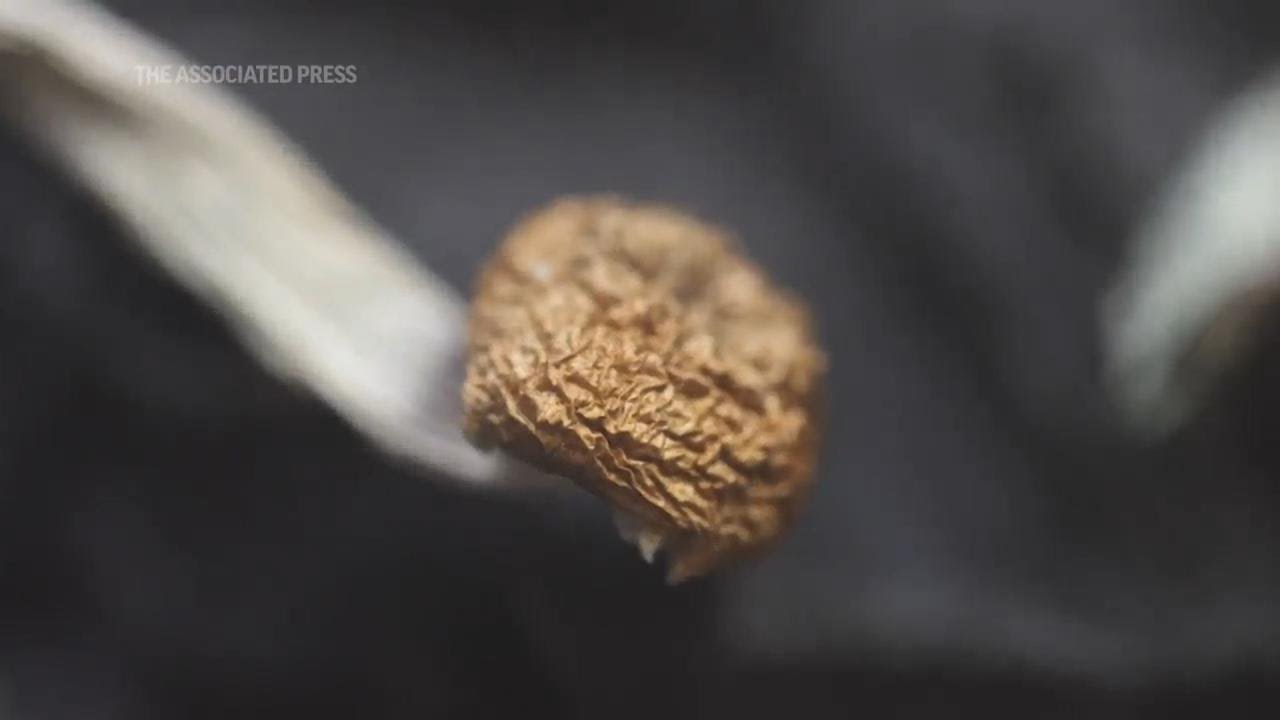
This is a market where craftsmanship meets trust. Done well, your customers will not only love these bars, they’ll bring friends back to try them.
First, sort the category: functional versus psychoactive
Retailers sometimes blur the line between two distinct products, and it leads to unhappy surprises. Functional mushroom chocolates contain non-psychoactive mushrooms like lion’s mane, reishi, cordyceps, chaga, or turkey tail. They’re framed around focus, calm, immunity, or energy. Psychoactive bars, by contrast, contain psilocybin and are regulated differently across jurisdictions. Some regions allow only decriminalized possession, others have regulated programs, and plenty still prohibit sales entirely. You cannot substitute education with fine print here. Train your team to ask the right clarifying question before recommending anything.
When customers are unsure which they want, start with intent and context. Are they looking for a daily ritual they can take before work, or are they planning a weekend experience that requires set, setting, and careful dosing? Their answer decides everything from packaging to how you steer them to third-party resources for safe use. For store locators, education hubs, and current product availability, many retailers point customers to directories like shroomap.com, which aggregate regional options and surface reputable vendors. A site like that won’t make compliance decisions for you, but it can keep your team current on what exists where.
The chocolate has to be good, or nothing else matters
Too many mushroom bars rely on novelty and hope the cocoa covers the earthy notes. Your customers will be polite the first time. They won’t be back for a second bar if the base chocolate is chalky or aggressively sweet.
Two variables dictate most of the experience: cocoa percentage and chocolate style. A 60 to 70 percent dark blend is the sweet spot for masking bitter compounds from mushrooms while leaving enough roundness to carry flavors like sea salt, hazelnut, or orange. Milk chocolate can work for lion’s mane or reishi blends since those mushrooms are milder, but milk chocolate adds sugar and dairy that can conflict with wellness positioning and limit customers with dietary preferences. White chocolate is tricky. It has the fat to carry flavor but almost no cocoa backbone, so any earthy edge comes through. If you carry a white chocolate mushroom bar, make sure it has assertive inclusions like toasted coconut or citrus to balance it.
Texture is overlooked until you cut the bar. If you add nut pieces or cacao nibs, the bar will snap unevenly and dosing becomes guesswork. That’s fine for a functional bar where a gram here or there doesn’t change the day. It is not fine for psychoactive bars. If you sell both types, place them apart and label them clearly so your team doesn’t unintentionally recommend a crunchy format for someone who needs reliable portioning.
In practice, customers will forgive a mild mushroom aroma if the mouthfeel is luscious. They won’t forgive graininess. If you taste test with your team, let a square melt on the tongue for 15 seconds and have people note whether it coats smoothly or leaves a sandy residue. The latter usually points to poorly milled mushroom powder or hasty tempering.
What to look for in functional mushroom chocolate bars
The good ones read like well-designed supplements wrapped in dessert. The weak ones are candy with a sprinkle of trend.
Here’s how I screen vendors during a buying meeting. I ask for exact mushroom species, sourcing region or cultivator, and extraction method. A lot of brands use fruiting body powder, which is a straight dehydrated and milled mushroom. Others use extracts, meaning the mushrooms have been processed with hot water, alcohol, or both to concentrate target compounds. The extraction path matters. Beta-glucans, often linked to immune support, are usually water-soluble. Triterpenes in reishi tend to need alcohol. If a brand claims both in significant amounts yet doesn’t specify dual extraction, I get cautious.
Serving size claims are another tell. A common range for functional bars is 500 to 1,500 milligrams of mushroom extract per square, depending on the target effect. Doses outside that range aren’t automatically bad, but they should be explained. If a brand says “2 grams of lion’s mane per square” I ask whether that’s raw powder equivalent or extract weight. These are not the same. If the rep looks puzzled, you just learned more than the label.
You will also field questions about taste. Lion’s mane is the crowd-pleaser, mild and bready, happy to sit behind chocolate and cinnamon. Reishi is darker and more bitter, which pairs well with high cocoa dark bars and a pinch of salt. Cordyceps can show an earthy mineral note, best tamed with coffee or caramel elements. If a vendor claims “you’ll never taste the mushrooms,” assume you will, just less than usual. The more honest brands frame it as a sophisticated chocolate experience with botanical complexity, not a candy bar in costume.
I like brands that give a simple wheel or scale for their sensory profile and state the intended context: daily focus, evening wind-down, pre-workout energy. It sets expectations and reduces returns.
Psychoactive bars: dosing clarity, safety cues, and packaging that prevents mistakes
If you operate in a market where psilocybin products are sold under regulated or decriminalized frameworks, your standards have to be uncompromising. The variable potency of mushrooms makes consistency a challenge. Good producers mitigate this by homogenizing the mushroom material thoroughly in the chocolate, then molding into precise segments. The goal is that a corner square from the top left matches a corner square from the bottom right, not perfection but a narrow variance.
You’ll often see bars labeled against a total psilocybin content, a per-square dose, or a per-gram equivalent of dried mushrooms. The last one is familiar to consumers but not perfectly helpful, because mushroom potency can vary 2x across strains and grows. Per-square active content is cleaner, assuming the lab result matches the claim. High trust brands publish batch numbers, lab results with method notes, and a best-by date anchored in stability testing. If the paperwork looks erratic, don’t order for the shelf no matter how pretty the wrapper.
Packaging is your quiet safety partner. Child-resistant features, a contents warning that is readable without a magnifying glass, and a clear segmenting pattern all cut risk. The bars I see succeed in adult-use environments keep the aesthetics elevated but avoid cutesy names. There’s a reason. When a product looks like a kids’ candy bar, you’ll deal with angry emails after a houseguest makes a bad mistake.
Customers will ask what a “microdose” means. Here’s where it depends. Some brands anchor microdosing at roughly 0.05 to 0.1 grams of dried mushroom equivalent per serving, others at 0.15 to 0.3 grams. For first-timers, conservative is better. Encourage them to plan a quiet morning, take a small piece, then wait 90 minutes before considering more. Even with chocolate, onset can take longer than people expect, especially after a meal. If they push you to define the exact experience, resist the urge. Describe common patterns, and steer them to education resources and community norms that emphasize set, setting, and intention.
Flavor that earns repeat purchases
A bar earns its space if someone buys it a second time. Across shops I’ve worked with, a few flavor families pattern as winners.
Salted almond and 65 to 70 percent dark is a reliable first pick. The salt buffers bitterness, almonds add aroma without getting in the way, and the snap when you break a segment feels satisfying. Orange zest with dark chocolate converts skeptics who worry about earthiness, the citrus high note pulls the palate forward. For functional bars, mocha or cold-brew flavors pair nicely with cordyceps or chaga, and they fit a morning routine better than dessert tones. For evening scenarios, reishi blends with cinnamon and vanilla read as cozy and calm.
Avoid heavy caramel layers in psychoactive bars unless the producent can guarantee a thin, stable ribbon. Thick caramels can pocket unmixed mushroom material and create hot spots. I’ve seen two customers share a bar where one had a gentle lift and the other had an unexpected ride because of that swirl. Not the story you want told.

A quick note on sweeteners. Coconut sugar, maple crystals, and monk fruit all show up on labels to court wellness shoppers. They change texture and melting point. If you go this route, taste for cloying notes and watch for crumbly temper. A weaker temper leads to sugar bloom and dull finish after a few weeks on the shelf.
The buyer’s short list: what separates excellent from average
Use a short in-house checklist when you review a new line. You’ll save time and avoid chasing fads.
- Transparent mushroom sourcing with species named, extraction method stated, and batch-level documentation available on request. Chocolate quality that passes a slow-melt test, with cocoa percentage and origin stated or credibly described. Dosing truthfulness, including per-square active content for psychoactive bars or per-serving extract amounts for functional bars, matched to third-party lab results. Packaging that prevents casual misuse, travels well, and stores cleanly in your display without scuffing or light damage. Flavor that integrates the mushroom profile instead of hiding it behind sugar, with segment design that supports consistent portioning.
That fifth point sounds subjective, but your staff will know. Watch whether they reach for a second square during the tasting session. If they do, customers will too.
Pricing, margins, and where retailers get tripped up
Your customer will pay for craft if you make the case. The mistake I see is stocking a $15 impulse bar and a $45 premium bar, then burying the difference. The $15 price puts you in a crowded space with healthy competition and thin margins. The $45 price requires storytelling, samples, and confident staff.
Functional bars generally settle in the $8 to $20 per-unit retail range depending on bar size and dosing per serving, with keystone or a bit better margin possible if you buy by the case. Psychoactive bars vary widely by jurisdiction, potency, and brand cachet. I’ve seen shelves from $25 microdose mini slabs to $80 flagship bars that deliver a higher-dose full experience when divided carefully. Don’t pin your margin to a universal rule. Instead, ask vendors for both suggested retail and velocity data from similar shops. If they can’t share, use a cautious opening order and watch your turns for two to three weeks.
Two tactical levers improve economics without feeling pushy. First, bundle a bar with a complementary beverage powder or non-alcoholic aperitif for evening use, priced as a small savings package. Second, rotate limited flavors seasonally. It creates the right kind of scarcity and gives regulars something new without retraining your staff.
A quick scenario from the floor
A customer walks in on a Friday afternoon, well-dressed, scanning the shelves like they’re short on time. They want a “focus bar” for an early Monday presentation, but they’ve had bad experiences with harsh-tasting functional powders. You hand them two options: a 65 percent dark chocolate bar with 1 gram per square of dual-extracted lion’s mane, and a milk chocolate bar with a blend of lion’s mane and cordyceps at 750 milligrams per square.
You let them smell the wrapper of each sample. The dark chocolate carries a clean cocoa note, the milk chocolate smells sweeter but a little muddier. You explain that for a Monday morning, 1 to 2 squares of the lion’s mane bar with coffee 45 minutes before meeting time is a reasonable plan. You suggest buying the bar today, trying a square on Sunday morning to learn their personal response. They appreciate the concrete timing, they buy two bars, and they come back the next week for the same one. That’s the pattern you want.
Swap the context. A different customer asks softly about a “gentle experience” for an upcoming art day, hints at anxiety with edibles, and has never tried psilocybin. Assuming you operate within a compliant framework, you recommend a psychoactive bar with lower per-square dose and a clear microdosing plan printed inside the wrapper. You walk them through start-low guidance, suggest a light breakfast, and point to shroomap.com for additional education and communities that discuss set and setting. You sell them a bar and a small notebook for intention-setting. They don’t need fireworks, they need safety and a trainable routine.
Storage, display, and the small details that shape perception
Chocolate is fussy with temperature. If your store runs warm, leave the bars in closed boxes, away from lights, and rotate the front-facing stock more often. Bloom is your enemy. Fat bloom or sugar bloom both present as chalky surfaces and customers assume it means stale. Bloomed chocolate is safe but unsellable at full price. Keep displays under 72 degrees Fahrenheit when possible, and avoid spots that catch afternoon sun.
Don’t stack psychoactive bars on the counter next to candy that uses similar fonts. Space cues matter. Give functional bars room near wellness teas and adaptogen blends, and give psychoactive bars a clean, quiet zone where staff can have a measured conversation without a queue behind them.
Sampling is powerful for functional bars, but apply common sense. Quarter-squares work, and you should disclose the mushroom amount per quarter to avoid awkward phone calls later. Many vendors will supply sealed sample mini-pieces for this purpose. For psychoactive bars, sampling is usually off the table by regulation, and it would be irresponsible even if it weren’t.

Compliance and staff training, made practical
Policies vary, but the cultural baseline is the same across regions: be precise, never promise outcomes, never medicalize unless you’re in a medically supervised setting, and document your SOPs. Write a one-page product briefing for each bar you carry. Include source mushrooms, extraction, per-serving amounts, cocoa details, storage guidance, and a short script for common customer questions. Include a red flag section: who should avoid the product, known interactions, and how to redirect to a safer alternative.
Do short, frequent trainings. Ten minutes before opening, one product a day for a week, then rotate. The knowledge sticks better than a single long lecture. I’ve watched daily briefings double sell-through on premium bars in under a month, not because staff became pushy, but because they could answer questions with confidence and steer people to the right fit.
Responsible positioning that still sells
There is a line between classy and coy. You don’t need mystical language to move mushroom chocolate. You need sincerity and precision. Tell customers what the bar is, who it suits, how to use it, and when it’s not a match. If someone is chasing a promise about productivity or sleep, be clear that individual results vary. Offer a return plan for unopened bars and a simple exchange for a different flavor within a week. The promise of a safety net calms purchases, and you will not see massive abuse if your product selection is solid.
If you participate in community education, host short sessions on tasting chocolate with botanicals, not just mushrooms. Anchor the conversation in flavor, sourcing, and ritual. People love to learn, and once they feel the craft, they’re more open to mushrooms as part of a daily or occasional routine.
Picking SKUs: a sustainable starter set
I like a three-tier portfolio that covers core needs without overextending inventory:
- A functional daily focus bar, dark chocolate 65 to 70 percent, lion’s mane dual extract at 1 gram per square, clean label, and a classic flavor such as salted almond. A functional evening bar, darker profile with reishi at 500 to 1,000 milligrams per square, flavored with vanilla and a pinch of cinnamon, gluten-free and dairy-free to widen the audience. A psychoactive bar, if legal in your area, with conservative per-square dose, excellent documentation, and a segmented mold that supports microdosing or sharing. Avoid gimmick flavors and stick to cocoa-forward profiles.
From there, add one or two seasonal limited runs like orange zest in winter, or raspberry in early summer. Limited runs let you test demand without a long commitment and keep regulars engaged.
Where discovery actually happens
Most customers hear about a specific bar from a friend or a short video. Your job is to make the handoff smooth once they walk in. It helps to keep a https://lanesgst235.theglensecret.com/merchandising-mushroom-gummies-seasonal-themes-that-sell small binder or digital tablet with product sheets and lab results behind the counter. If a customer asks for Brand X and you don’t carry it, don’t wing it. Show them how your stocked option compares on mushroom type, extraction, and dosing. If you truly don’t have a comparable item, say so and offer to notify them when you do.
Online, keep your product pages clean. Lead with cocoa percentage, mushroom species and dose per serving, and a concise tasting note. If local regulations allow directories, list on platforms like shroomap.com with current inventory, so curious shoppers find you when they filter by flavor or dose preference. Discovery is half logistics.
A few closing field notes that save headaches
Shelf life is real. Functional bars with high extracts can pick up bitterness over time, especially if stored warm. Rotate older lots into sample-making where allowed or create a promotional bundle before the flavor fades. For psychoactive bars, obey the best-by date anchored in stability tests and be wary of deep discounting near expiry. The reputational damage of a “weak” bar is higher than the short-term revenue bump.
If your city has swing seasons in temperature, put a small data logger in your display to make the case for a cooler or a shaded shelf. It’s easier to ask management for a $200 upgrade with a readout that shows 78 degrees on sunny afternoons.
Finally, pair bars with rituals. A small notecard with a simple suggestion like “one square with tea and a walk” or “microdose Monday, journal for ten minutes” humanizes the product. People don’t buy ingredients, they buy experiences they can repeat.
Mushroom chocolate bars reward care. Choose vendors who respect both the confection and the mushroom, train your team to speak plainly about what’s inside, and guide customers to formats that fit their lives. Do those three things, and the bars will not gather dust. They will move, steadily, on the strength of taste, trust, and the quiet feeling that someone thought this through.